This is where magic happens!!
Everyday, I try to read and acquire new lens to the research problem at hand. Here, I blabber about all things - design.
Asset based Design : Guided by human-centered design perspectives centered on users’ needs, CSCW research and practice have increasingly explored how to address the intersecting inequities faced by historically marginalized people. A growing body of CSCW and HCI research builds on education and community development literature to highlight that prioritizing users’ needs may hinder sustained impact. A needs-based design approach can lead to interventions for the “here and now” that, by seeing users as plagued with problems they cannot solve on their own, may perpetuate stereotypes.
Assets-based design — with its appreciative focus on users’ “haves” — holds value in promoting agency, autonomy, and thereby realizing a sustained impact.
.
Aspirations based Design : Drawing on the research work of Kentaro Toyama and Neha Kumar, the focus here is on the Aspirations of people. The need based design lays foundation for design thinking to build socially useful systems. Aspirations are temporal, contextual.
Design Thinking is a fundamental paradigm that is mandatory while building systems. I came across this during my course Technical Answers for Real World Problems
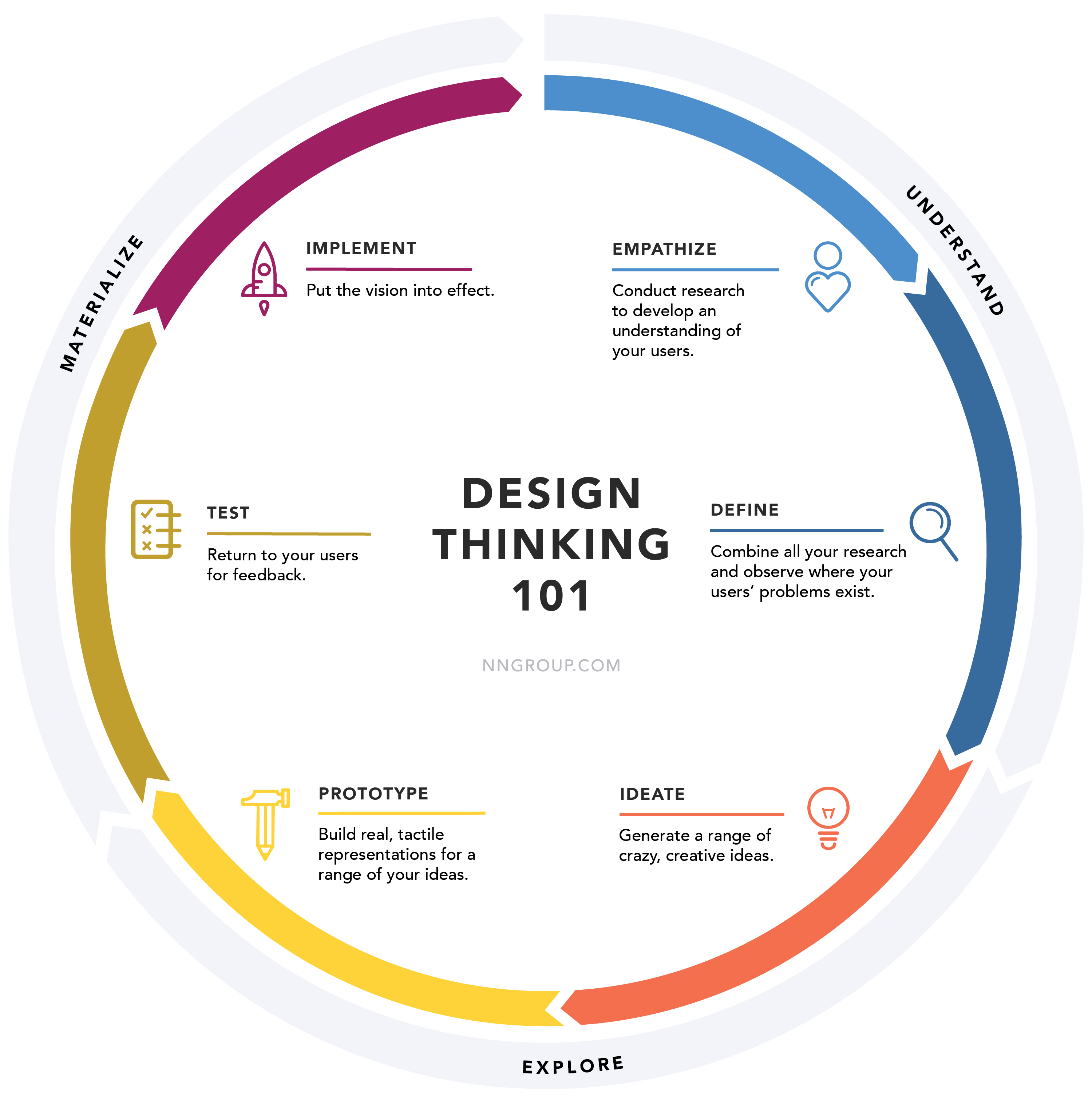
#1 Empathize : Conduct User Research, Know User Pain Points
#2 Define : Formulate User's problems from the obervations
#3 Ideate : Generate creative ideas
#4 Prototype : Build concrete representation of the ideas
#Test : Return to Users for Feedback
While working on Walk-In Attendance System project, I got to know a lot about various Employee Attendance is conceptalized.
#1 Traditional Roll call : Individual Name Calling
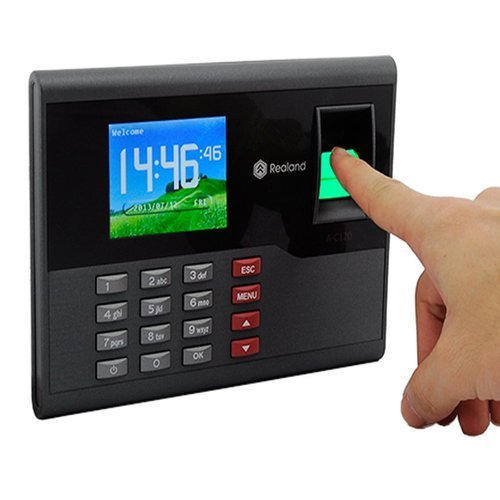
#2 Fingerprint based Attendance : Included Biometric Fingerprint
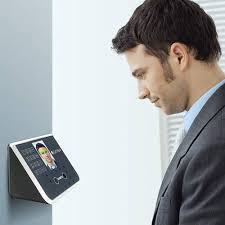
#3 Iris based, Face Based Attendance : High-tech face recognition module for Attendance System
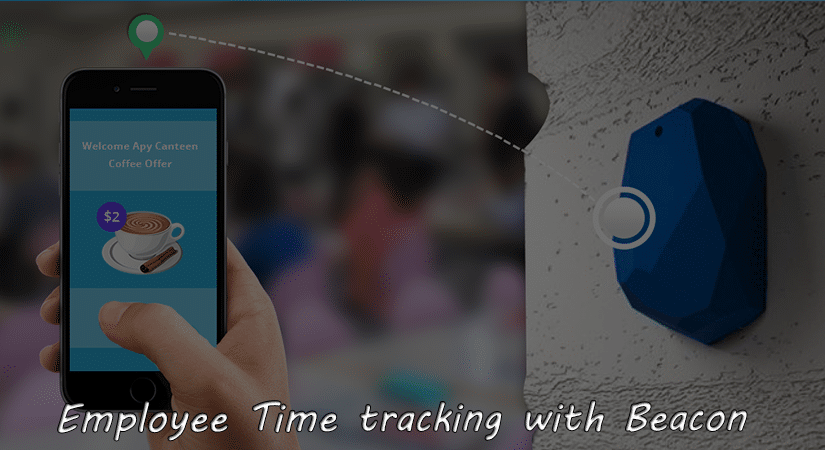
#4 Bluetooth Beacon : Bluetooth based Attendance System
#5 Ultrasonic : Ultrasonic Data Transfer based Attendance System
Traditional Roll Call : Simplistic process
Fingerprint based : Faster process.
Iris based, Face Recognition : Reliable process
Bluetooth Beacon : Privacy compliant safer process
Ultrasonic Sound : Track many people at a time
Traditional Roll Call : Time Consuming
Fingerprint based : Confidential Data, COVID19 risk
Iris based, Face Recognition : Time consuming
Bluetooth Beacon : Expensive
Ultrasonic Sound : Little to no awareness